1. The Nucleotide Sequence: This is the core of DNA's information. The specific order of the four nucleotide bases (Adenine, Thymine, Guanine, Cytosine) forms the genetic code that determines everything from your eye color to your susceptibility to certain diseases.
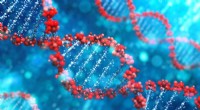
2. The Double Helix Structure: This structure is vital for several reasons:
* Stability: The two strands of DNA are held together by hydrogen bonds, which provide structural stability.
* Replication: The double helix structure allows for easy and accurate replication of DNA during cell division.
* Genetic Information Storage: The two strands of DNA act as complementary templates, ensuring that the genetic information is copied accurately during replication.
3. The Chromosomes: These are long, tightly-packed bundles of DNA and proteins. This packaging allows for efficient storage and organization of the vast amount of genetic information in our cells.
4. The Regulatory Elements: These are specific DNA sequences that control the expression of genes. They determine when, where, and how much protein is produced from a particular gene.
Ultimately, all of these elements work together to make DNA the blueprint of life.
It's important to remember that DNA is a dynamic molecule. Its structure and function are constantly being influenced by factors like:
* Environment: External factors like diet, stress, and exposure to toxins can alter DNA methylation patterns, which in turn affects gene expression.
* Internal processes: DNA is constantly being repaired, copied, and transcribed, all of which require precise mechanisms to maintain its integrity.
Therefore, it's more accurate to say that all parts of DNA are crucial for its overall function and the life of the organism.