Here's a breakdown:
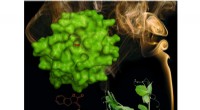
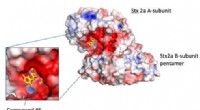
* Proteins: These are essential for the membrane's structure and function. They act as channels, pumps, receptors, and enzymes, facilitating transport across the membrane, communication with the environment, and various metabolic processes.
* Lipids: The primary component of membranes is a special type of lipid called phospholipids. They form a bilayer, with their hydrophilic (water-loving) heads facing the watery environments inside and outside the cell, and their hydrophobic (water-fearing) tails facing each other in the middle. This structure creates a barrier that controls what enters and leaves the cell.
* Carbohydrates: These are often attached to proteins or lipids on the outer surface of the membrane. They act as markers that allow cells to recognize each other, bind to other molecules, and participate in cell signaling.
So, while proteins are crucial, cellular membranes are a complex tapestry of these three organic molecules working together to maintain the cell's integrity and function.