* Phenotypes are the expression of genes: Phenotypes are the physical and behavioral characteristics of an organism, which are ultimately determined by the organism's genotype (its genetic makeup). However, the genotype alone doesn't guarantee survival or reproductive success.
* Environment selects for advantageous traits: The environment presents challenges and opportunities. Organisms with phenotypes that are better suited to these conditions have a higher chance of surviving, reproducing, and passing on their genes.
* Selective pressure acts on phenotypes: For example, a predator might be more likely to prey on a brightly colored rabbit in a green field, thus selecting against that particular phenotype.
In other words: Natural selection doesn't directly "see" the genes. It only acts on what it can observe – the traits expressed by those genes, which are the phenotypes.
Example:
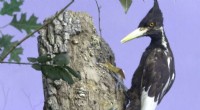
* Genotype: A bird might have a gene for bright red feathers.
* Phenotype: This gene expresses itself as red feathers, making the bird easily visible to predators.
* Selective pressure: Predators are more likely to catch the red bird.
* Result: The red bird is less likely to survive and reproduce, decreasing the frequency of that particular gene in the population.
Key takeaways:
* Natural selection is about survival and reproduction, which are determined by an organism's interaction with the environment.
* Phenotypes are the interface between an organism and its environment.
* Natural selection can only act on what it can "see" – the phenotypes.