What Hormones Do:
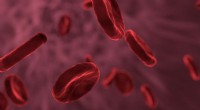
* Communication: Hormones act as chemical messengers, traveling through the bloodstream to target cells and tissues.
* Regulation: They control and adjust various bodily functions, ensuring proper balance and response to internal and external stimuli.
* Growth and Development: Hormones influence growth, development, and maturation throughout life.
* Metabolism: They regulate metabolism, including energy production, nutrient utilization, and waste elimination.
* Mood and Behavior: Hormones play a significant role in mood regulation, sleep cycles, and various aspects of behavior.
* Reproduction: Hormones govern the development of reproductive systems, sexual characteristics, and the menstrual cycle.
* Stress Response: Hormones like cortisol and adrenaline are essential for the body's response to stress.
* Immune System: Hormones modulate the immune system, helping to protect against infections and diseases.
Examples of Hormonal Regulation:
* Insulin and Glucagon: Regulate blood sugar levels.
* Thyroid Hormones: Control metabolism and energy utilization.
* Growth Hormone: Promotes growth and development.
* Estrogen and Testosterone: Influence sexual development and reproduction.
* Cortisol: Helps manage stress and regulate blood pressure.
* Adrenaline: Prepares the body for "fight or flight" responses.
Disruptions in Hormonal Balance:
When hormone levels become imbalanced, it can lead to various health issues, such as:
* Diabetes: Impaired insulin regulation.
* Hypothyroidism: Underactive thyroid gland.
* Hyperthyroidism: Overactive thyroid gland.
* Growth disorders: Imbalances in growth hormone.
* Reproductive issues: Hormonal disruptions can affect fertility and menstrual cycles.
* Mood disorders: Hormonal imbalances can contribute to depression, anxiety, and other mental health conditions.
In Summary:
Hormones are essential for life, and their influence extends to nearly every aspect of our well-being. Understanding their roles and functions is crucial for maintaining health and addressing potential hormonal imbalances.