1. Water: Water is the most abundant component of cells, making up about 70% of their mass. It acts as a solvent for many cellular processes, transports nutrients and waste products, and helps regulate temperature.
2. Macromolecules: These are large, complex molecules essential for life. The four main types are:
* Carbohydrates: Provide energy and structural support (e.g., sugars, starch, cellulose).
* Lipids (fats): Store energy, provide insulation, and form cell membranes.
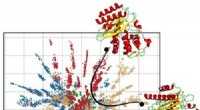
* Proteins: Perform a wide variety of functions, including structural support, catalysis, and transport.
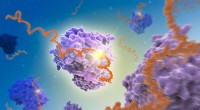
* Nucleic acids (DNA and RNA): Store and transmit genetic information.
3. Inorganic ions: These are charged atoms or molecules that play crucial roles in cellular processes. Examples include sodium (Na+), potassium (K+), calcium (Ca2+), and chloride (Cl-).
4. Other small molecules: Cells also contain a variety of other small molecules, such as vitamins, hormones, and pigments, which contribute to their overall function.
It's important to note that this is a very simplified answer. Cells are incredibly complex and contain a wide range of other components.