Early Stages:
* Autolysis: The organism's own enzymes start breaking down its cells and tissues. This process leads to bloating and discoloration.
* Bloating: The production of gases like methane and hydrogen sulfide causes the organism to swell.
* Discoloration: The breakdown of pigments and the exposure of underlying tissues leads to color changes.
Later Stages:
* Scavenging: Animals like insects, birds, and other scavengers consume the soft tissues, leaving behind bones and harder structures.
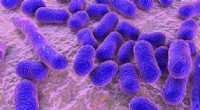
* Bacteria and Fungi: Microscopic decomposers like bacteria and fungi break down the remaining organic matter into simpler substances like water, carbon dioxide, and nutrients.
* Skeletonization: As decomposition progresses, the skeleton is left behind, often covered in a thin layer of soil and organic material.
Other Changes:
* Drying: The loss of moisture leads to shrinkage and dehydration.
* Fragmentation: The physical breakdown of tissues into smaller pieces.
* Mineralization: The conversion of organic compounds into inorganic minerals.
Factors Influencing Decomposition:
* Temperature: Warmer temperatures speed up decomposition.
* Moisture: Decomposition requires water.
* Oxygen: Aerobic decomposers (like many bacteria) require oxygen.
* Habitat: The environment surrounding the organism, such as soil type or water conditions, affects decomposition rates.
Beyond Decomposition:
* Fossil Formation: Under specific conditions, the remains of organisms can become fossilized, preserving their shape and structure for millions of years.
* Humus: The final stage of decomposition is the formation of humus, a rich, dark organic matter that improves soil fertility.
Note: The rate and specific changes during decomposition can vary greatly depending on the organism's size, species, environment, and other factors.