Here's why:
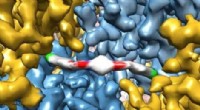
* Structure: The cell membrane is a thin, flexible barrier that surrounds the entire cell. It's composed of a phospholipid bilayer, with embedded proteins that act as channels, pumps, and receptors.
* Function: The cell membrane controls what enters and exits the cell, ensuring the cell maintains a stable internal environment (homeostasis).
* Types of Transport: The cell membrane allows for various types of transport:
* Passive transport: Movement of substances across the membrane without requiring energy. Examples include diffusion, osmosis, and facilitated diffusion.
* Active transport: Movement of substances across the membrane that requires energy. This is used to move substances against their concentration gradient (from low to high concentration).
Let me know if you'd like more details about specific types of transport!