Understanding the Ocean's Depths:
* Deep-sea Exploration: The development of submersibles and remotely operated vehicles (ROVs) allowed scientists to explore the ocean's deepest parts, leading to the discovery of new species, ecosystems, and hydrothermal vents.
* Sonar and Remote Sensing: These technologies revolutionized our understanding of ocean topography, currents, and animal movements, providing insights into the vastness and complexity of the marine environment.
Unveiling the Mysteries of Life:
* Discovery of Bioluminescence: Recognizing the ability of deep-sea creatures to produce light opened new avenues of research on chemical communication, predator-prey interactions, and the evolution of light-producing organisms.
* Coral Reef Research: Studies on coral reefs have yielded breakthroughs in understanding the intricate symbiosis between corals and algae, as well as the threats posed by climate change and pollution.
* Genome Sequencing: The sequencing of marine organisms' genomes has provided insights into their evolutionary history, genetic adaptations, and potential applications in biomedicine and biotechnology.
Conservation and Management:
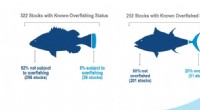
* Fisheries Management: The development of sustainable fishing practices, based on population dynamics and ecosystem interactions, has helped to conserve marine resources and prevent overfishing.
* Marine Protected Areas (MPAs): Establishing MPAs has allowed scientists to study the recovery of marine populations and ecosystems, providing valuable information for conservation efforts.
* Climate Change Research: Studies on the impacts of climate change on marine ecosystems have led to the development of strategies for mitigating its effects and protecting vulnerable species.
Emerging Trends and Future Directions:
* Synthetic Biology and Marine Biotechnology: Utilizing genetic engineering and biomimicry to develop novel technologies for bioremediation, energy production, and pharmaceutical development.
* Oceanographic Modeling: Advanced computer simulations are providing more accurate predictions of climate change impacts, ocean currents, and marine ecosystem dynamics.
* Citizen Science and Public Engagement: Increasing public awareness and participation in marine research through citizen science initiatives and educational outreach programs.
This list highlights some major breakthroughs in marine biology, but the field continues to evolve rapidly. Future discoveries promise to reveal even more about the wonders of the ocean and its critical role in supporting life on Earth.