1. Temperature: Enzymes have an optimal temperature at which they function best.
* Below the optimum: The enzyme's activity is slower because the molecules have less kinetic energy.
* Above the optimum: The enzyme's structure can begin to denature (unfold) and lose its activity.
2. pH: Enzymes also have an optimal pH range.
* Outside the optimal pH range: The enzyme's structure can be altered, affecting its ability to bind to the substrate.
Other important factors that affect enzyme efficiency include:
* Substrate concentration: Increasing substrate concentration generally increases reaction rate until the enzyme becomes saturated.
* Presence of cofactors and coenzymes: Some enzymes require these non-protein molecules to function properly.
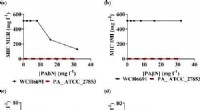
* Presence of inhibitors: Inhibitors can bind to the enzyme and block its activity.
It's important to remember that enzyme efficiency is a complex interplay of various factors, and understanding these factors helps us understand how enzymes work and how they can be regulated.