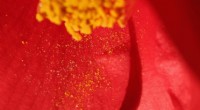
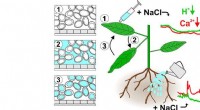
* Photosynthesis is a process unique to plants and some bacteria. It uses sunlight, carbon dioxide, and water to produce glucose (sugar) and oxygen.
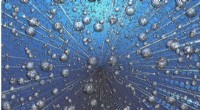
* Diffusion is the movement of molecules from an area of high concentration to an area of low concentration. This process is fundamental in the human body for:
* Gas exchange: Oxygen diffuses from the lungs into the blood, and carbon dioxide diffuses from the blood into the lungs.
* Nutrient absorption: Nutrients from digested food diffuse into the bloodstream in the small intestine.
* Waste removal: Waste products like urea diffuse from the blood into the kidneys.
The key difference: Photosynthesis is a process of energy conversion using light, while diffusion is a passive process of molecular movement driven by concentration gradients.
While both processes involve the movement of substances, they are distinct and occur in different contexts.