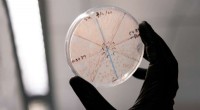
* Ubiquitous: Prokaryotes are found literally everywhere, from the depths of the ocean to the highest mountains, from scorching hot springs to the frigid Arctic.
* Extreme Environments: They are masters of surviving in extreme conditions that would kill most other life forms. This includes:
* Thermophiles: Living in extremely hot environments (like hot springs).
* Halophiles: Living in extremely salty environments (like the Dead Sea).
* Acidophiles: Living in highly acidic environments.
* Psychrophiles: Living in very cold environments (like glaciers).
* Symbiotic Relationships: They often live in close relationships with other organisms, including humans:
* Mutualism: Both organisms benefit (e.g., bacteria in our gut help us digest food).
* Commensalism: One organism benefits, the other is unaffected (e.g., bacteria on our skin).
* Parasitism: One organism benefits at the expense of the other (e.g., bacteria causing disease).
Therefore, the prokaryotes that live in most habitats are those that are highly adaptable and can thrive in a wide range of conditions, including extreme environments. They are also successful due to their ability to form symbiotic relationships with other organisms.