All Eukaryotes:
* Animals: All animals, from tiny insects to massive whales, rely on cellular respiration to power their movements, growth, and bodily functions.
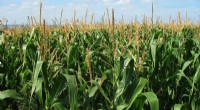
* Plants: While plants primarily use photosynthesis to make their own food, they also utilize cellular respiration to break down sugars and generate energy for growth, reproduction, and maintaining their tissues.
* Fungi: Fungi, like mushrooms and yeasts, obtain energy through cellular respiration. They break down organic matter in their environment to obtain the sugars needed for respiration.
* Protists: This diverse group of single-celled organisms, like amoebas and algae, also perform cellular respiration.
Some Prokaryotes:
* Bacteria: Many bacteria utilize cellular respiration, with some even being facultative anaerobes, meaning they can switch between respiration and fermentation depending on oxygen availability.
* Archaea: Archaea, known for their ability to thrive in extreme environments, also often use cellular respiration, though some have unique adaptations for energy production.
Key Points:
* Oxygen is generally required for efficient cellular respiration. While some organisms can use anaerobic respiration, it's less efficient than aerobic respiration.
* Cellular respiration is essential for life. It provides the energy needed for all biological processes, from muscle contraction to protein synthesis.
Exceptions:
* Obligate anaerobes: Some organisms, like certain bacteria found in oxygen-deprived environments, cannot use oxygen and rely on fermentation for energy production.