1. Nitrogen Fixation:
* Atmospheric nitrogen (N2) makes up about 78% of the air we breathe, but it's very stable and can't be directly used by most organisms.
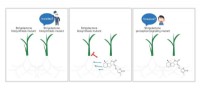
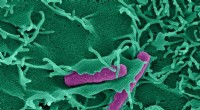
* Nitrogen-fixing bacteria, like those found in the genus *Rhizobium*, possess a special enzyme called nitrogenase.
* Nitrogenase breaks the strong triple bond in N2, converting it into ammonia (NH3).
* This process requires a significant amount of energy.
2. Importance of Ammonia (NH3):
* Ammonia is a form of nitrogen that plants can absorb and use to build proteins, nucleic acids (DNA and RNA), and chlorophyll.
* This makes nitrogen fixation a critical step for plant growth and ultimately for the entire food chain.
3. Types of Nitrogen-Fixing Bacteria:
* Free-living nitrogen-fixing bacteria: These bacteria live in the soil and water, using their own energy sources to fix nitrogen.
* Symbiotic nitrogen-fixing bacteria: These bacteria live in a mutually beneficial relationship with plants, particularly legumes (e.g., beans, peas, lentils). They form nodules on the plant roots where they fix nitrogen for the plant, receiving carbohydrates in return.
4. Benefits of Nitrogen Fixation:
* Supports plant growth and productivity.
* Improves soil fertility and health.
* Reduces the need for synthetic nitrogen fertilizers.
* Plays a vital role in ecosystems and global biogeochemical cycles.
5. Importance in Agriculture:
* Nitrogen is a key nutrient for crops, and nitrogen-fixing bacteria help to naturally provide this nutrient.
* Farmers often use legume crops as a natural way to add nitrogen to the soil, reducing the need for synthetic fertilizers.
In summary, nitrogen-fixing bacteria are essential for life on Earth because they convert atmospheric nitrogen into a usable form for plants and other organisms. Their role in the nitrogen cycle is critical for maintaining healthy ecosystems, supporting plant growth, and ensuring food security.