Here's a breakdown of why:
* Fluid: The membrane is not rigid but rather flexible and constantly moving. This is due to the phospholipid bilayer, which acts like a fluid. Individual phospholipids can move laterally within their own layer, and even flip to the opposite layer, though this is less frequent.
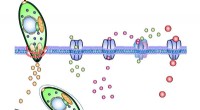
* Mosaic: The membrane is a complex structure made up of many different components. These include:
* Phospholipids: The foundation of the membrane, forming a bilayer with hydrophilic heads facing the watery environment inside and outside the cell, and hydrophobic tails facing each other in the middle.
* Proteins: Embedded within the phospholipid bilayer, performing various functions:
* Transport proteins: Help move molecules across the membrane.
* Receptor proteins: Bind to signaling molecules.
* Enzymes: Catalyze reactions.
* Structural proteins: Provide support and shape.
* Cholesterol: Found within the phospholipid bilayer, helps regulate membrane fluidity.
* Carbohydrates: Attached to lipids (glycolipids) or proteins (glycoproteins) on the outer surface of the membrane, playing a role in cell recognition and signaling.
Key features of the Fluid Mosaic Model:
* Dynamic: The membrane is constantly changing and adapting to its environment.
* Selective permeability: The membrane controls which substances can enter and exit the cell.
* Asymmetrical: The two sides of the membrane have different compositions and functions.
The Fluid Mosaic Model is a powerful explanation for the diverse and dynamic nature of cell membranes. It helps us understand how the membrane functions as a barrier, a communication center, and a platform for various cellular processes.