Here's a breakdown of what that means:
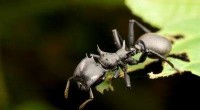
* Organisms: These are living things, like plants, animals, fungi, bacteria, etc.
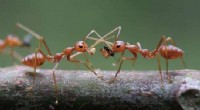
* Interacting: This means they are doing things that affect each other, like competing for food, eating each other, or providing shelter.
* Environment: This includes all the non-living things that surround an organism, like air, water, soil, sunlight, temperature, and weather patterns.
Here are some examples of how organisms interact with each other and their environment:
* Predation: A lion hunting a zebra.
* Competition: Two squirrels fighting over a nut.
* Mutualism: A bee pollinating a flower.
* Parasitism: A tick sucking blood from a dog.
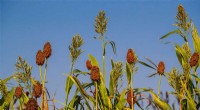
* Plants: Plants use sunlight to make food, release oxygen into the air, and provide shelter and food for animals.
* Animals: Animals eat plants or other animals, provide pollination for plants, and help to disperse seeds.
Ecology is a complex and fascinating field of study, and understanding it is crucial for protecting our planet and ensuring the survival of all living things.