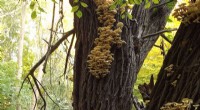
1. Organism:
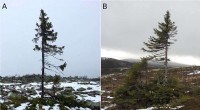
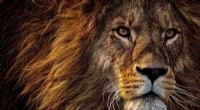
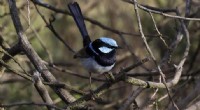
* Definition: A single, individual living being.
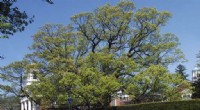
* Example: A single oak tree, a specific dog, a bacterium.
* Focus: Individual characteristics, traits, and behaviors.
2. Population:
* Definition: A group of individuals of the *same species* living in the same area at the same time.
* Example: All the oak trees in a forest, all the dogs in a neighborhood, all the bacteria in a petri dish.
* Focus: Population dynamics (birth rates, death rates, migration, population size changes).
3. Community:
* Definition: All the *different populations* of *different species* living and interacting within a particular area.
* Example: All the plants, animals, fungi, bacteria, etc., in a forest.
* Focus: Interactions between species (competition, predation, symbiosis), food webs, and community structure.
4. Ecosystem:
* Definition: A community of organisms (biotic factors) interacting with their non-living environment (abiotic factors) such as climate, soil, water, and sunlight.
* Example: A forest ecosystem, a coral reef ecosystem, a desert ecosystem.
* Focus: The flow of energy and matter through the system, nutrient cycling, and how organisms interact with their environment.
In summary:
* Organisms are the building blocks of life.
* Populations are groups of the same species.
* Communities are groups of different species.
* Ecosystems encompass both living organisms and their physical environment.
Think of it like a set of Russian nesting dolls: each level encompasses the level before it. An ecosystem is made up of communities, communities are made up of populations, and populations are made up of individual organisms.