Here's how it works:
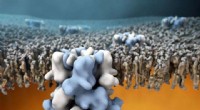
1. mRNA arrives at the ribosome. This mRNA carries the code for the protein to be made.
2. The ribosome reads the code and assembles amino acids in the correct order. Amino acids are the building blocks of proteins.
3. The protein is created. Once the ribosome reaches the end of the mRNA code, the protein is released.
So, where does the "waste" go?
* Unused mRNA: The mRNA molecule used to create the protein is often degraded by enzymes called ribonucleases after it's no longer needed.
* "Wrong" amino acids: Sometimes, the ribosome might accidentally use the wrong amino acid. There are mechanisms in place to correct these mistakes, but if they persist, the resulting protein might be dysfunctional. These proteins can be tagged for degradation by other cellular mechanisms.
In summary: Ribosomes themselves don't have "leftovers" or "waste" in the traditional sense. The byproducts of protein synthesis are either recycled (like mRNA) or broken down (like faulty proteins).