1. Enzyme Catalysis:
* Specificity: Enzymes are protein catalysts that accelerate biochemical reactions. They have highly specific active sites, shaped to fit only certain molecules (substrates). This precise fit ensures the right molecules react, preventing unwanted reactions.
* Lock and Key Model: This model describes how the shape of the active site is complementary to the shape of the substrate, allowing them to bind together. This interaction facilitates the chemical reaction.
2. DNA and RNA Structure:
* Information Storage: DNA's double helix structure allows for the storage and transmission of genetic information. The specific base pairing (A with T, G with C) is determined by the molecular shapes of the bases.
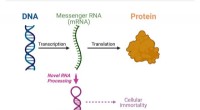
* Protein Synthesis: RNA molecules, including messenger RNA (mRNA) and transfer RNA (tRNA), have unique shapes that allow them to participate in protein synthesis. mRNA carries genetic information, while tRNA brings specific amino acids to the ribosomes, where proteins are built.
3. Cell Signaling and Communication:
* Ligand-Receptor Interactions: Cells communicate with each other through signaling molecules (ligands) that bind to specific receptors on the cell surface. The shape of the ligand and receptor must match for successful binding and signal transduction.
* Hormonal Action: Hormones, like insulin, have specific shapes that allow them to interact with their target receptors, triggering downstream events in the cell.
4. Membrane Transport:
* Selective Permeability: Cell membranes are composed of phospholipids, which form a barrier that controls what enters and exits the cell. The shape of the phospholipids influences membrane fluidity and permeability.
* Protein Channels: Specialized proteins embedded in the membrane have specific shapes that allow certain molecules to pass through. This controlled transport is crucial for maintaining cell function.
5. Immune Response:
* Antigen Recognition: Antibodies are proteins that specifically bind to antigens (foreign substances) on pathogens. Their shape is crucial for recognizing and neutralizing specific threats.
6. Drug Action:
* Target Specificity: Pharmaceuticals are designed to interact with specific target molecules in the body. Their shape is crucial for achieving therapeutic effects while minimizing side effects.
7. Overall Cellular Structure and Function:
* Protein Folding: The final shape of a protein is determined by its amino acid sequence and interactions between amino acids. This intricate shape allows proteins to perform their diverse functions, from structural support to enzymatic activity.
In Conclusion:
Molecular shape is fundamental to life. It dictates the specificity of interactions between molecules, enabling the complex and precise processes that sustain living organisms. From enzyme catalysis to cell signaling, immune responses, and drug action, shape plays a crucial role in the intricate dance of life at the molecular level.