Here's a breakdown of adaptations in dahlias:
Physical Adaptations:
* Tuberous Roots: Dahlias have underground storage organs called tubers. These allow them to survive harsh conditions, like winter frost, by storing energy and nutrients. They re-sprout from these tubers in spring.
* Strong Stems: They have sturdy, upright stems that support their large, showy flowers.
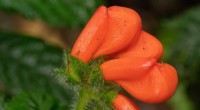
* Large, Brightly Colored Flowers: These act as a visual attraction for pollinators, like bees and butterflies, ensuring successful pollination.
* Diverse Flower Shapes and Sizes: This diversity in flower form enhances their attractiveness to different pollinators, increasing their chances of reproduction.
Ecological Adaptations:
* Native to Mexico: Dahlias originated in Mexico, a region with varying climates, from dry deserts to cooler highlands. This gives them the ability to tolerate a range of conditions.
* Pollination: Dahlias rely on insects for pollination, which is crucial for the production of seeds and the continuation of the species.
It's important to note:
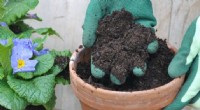
* Dahlias are not naturally adapted to survive harsh winters in temperate climates. They require digging up and storing their tubers during the winter, or they can be grown as annuals in colder regions.
* While they have some adaptations for surviving drought, they are generally considered water-loving plants.
Let me know if you have any other questions!