1. Bacterial vs. Viral Structure and Function:
* Bacteria are more complex: Bacteria are single-celled organisms with a wide range of cellular machinery and metabolic pathways. This complexity offers many potential targets for drugs.
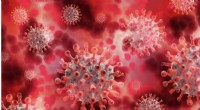
* Viruses are simpler: Viruses are essentially packages of genetic material (DNA or RNA) encased in a protein coat. They rely heavily on the host cell's machinery for replication, making them less independent and offering fewer targets for drugs.
2. Cellular Differences:
* Bacteria are independent: Bacteria have their own cell walls, ribosomes, and enzymes, which differ significantly from human cells. This difference allows for the development of drugs that target bacterial components without harming human cells.
* Viruses are parasitic: Viruses lack independent function and rely on host cells for replication. This means targeting a virus often means interfering with the host cell, leading to side effects.
3. Replication Mechanisms:
* Bacteria replicate independently: Bacteria reproduce through cell division, which involves their own unique processes and enzymes. These processes can be targeted by antibiotics.
* Viruses hijack host cells: Viruses insert their genetic material into host cells, forcing the cells to replicate viral components. This makes it challenging to target viral replication without harming host cells.
4. Evolution and Resistance:
* Bacteria evolve more quickly: Bacteria have rapid reproduction rates, allowing them to evolve and develop resistance to drugs more easily.
* Viruses evolve too, but less quickly: Viral evolution is still a concern, but it tends to be slower than bacterial evolution due to their more complex replication processes.
In summary:
The fundamental difference in structure, function, and life cycle between bacteria and viruses make it easier to develop drugs that specifically target bacterial components without affecting human cells. While viral drugs are becoming increasingly sophisticated, the challenges of targeting viruses without causing harm to host cells remain significant.