Here's a breakdown:
* Viral Attachment Proteins: These proteins are located on the surface of the virus and act like keys, searching for specific "locks" on the host cell.
* Host Cell Receptors: These are proteins or other molecules on the surface of the host cell that the viral attachment proteins can bind to.
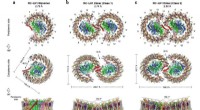
* Lock-and-Key Mechanism: The viral attachment proteins and host cell receptors have complementary shapes, allowing for a specific and tight binding. This interaction is often referred to as the "lock-and-key" mechanism.
Here's how it works:
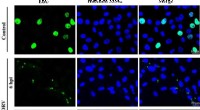
1. Attachment: The viral attachment proteins bind to the host cell receptors, initiating the process of infection.
2. Entry: Once attached, the virus can enter the host cell through various mechanisms, such as fusion with the cell membrane or endocytosis.
Important Note: The specificity of this interaction is crucial for viral infection. If the viral attachment proteins cannot bind to the appropriate receptors on the host cell, the virus cannot infect it. This is why viruses are often specific to certain species or even cell types within an organism.
Examples:
* HIV: Uses a glycoprotein called gp120 to bind to CD4 receptors on the surface of immune cells.
* Influenza: Binds to sialic acid residues on the surface of respiratory cells.
Understanding this interaction is critical for developing antiviral therapies that target the viral attachment proteins or the host cell receptors, effectively blocking infection.