What they do:
* Identify and destroy invaders: White blood cells recognize and attack foreign substances like bacteria, viruses, fungi, and parasites.
* Clean up debris: They also help remove dead cells and cellular debris from the body.
* Coordinate the immune response: They communicate with other immune cells, directing their activity to effectively fight off the threat.
Types of white blood cells:
There are five main types of white blood cells, each with a specific role:
* Neutrophils: The most abundant type, they are the first responders to infection, engulfing and destroying bacteria.
* Lymphocytes: These are responsible for specific immunity, recognizing and attacking specific pathogens. There are different types of lymphocytes, including:
* T cells: Attack infected cells directly.
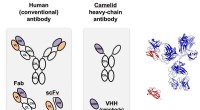
* B cells: Produce antibodies that bind to and neutralize pathogens.
* Monocytes: They mature into macrophages, which engulf and destroy pathogens and cellular debris.
* Eosinophils: Primarily fight parasitic infections, but also play a role in allergic reactions.
* Basophils: Involved in allergic reactions and inflammation.
What a high or low white blood cell count means:
* High white blood cell count (leukocytosis): Could indicate an infection, inflammation, or other conditions like leukemia.
* Low white blood cell count (leukopenia): Can be caused by certain medications, autoimmune diseases, or bone marrow problems.
In summary: White blood cells are critical for your health, safeguarding your body from disease and maintaining your overall well-being.