While mutations primarily arise from errors during DNA replication, certain environmental factors can significantly increase the mutation rate. These factors can be broadly classified into:
1. Ionizing Radiation:
* X-rays, gamma rays, and ultraviolet radiation: These high-energy radiation sources can directly damage DNA, causing breaks in the DNA backbone, altering bases, or creating cross-links between DNA strands.
* Examples: Exposure to medical X-rays, nuclear accidents, and prolonged sun exposure.
2. Chemical Mutagens:
* Alkylating agents: These chemicals add alkyl groups to DNA bases, altering their structure and disrupting DNA replication.
* Base analogs: These molecules resemble normal DNA bases but pair incorrectly during replication, introducing errors in the newly synthesized DNA.
* Intercalating agents: These chemicals insert themselves between DNA bases, distorting the DNA structure and causing errors during replication.
* Examples: Industrial chemicals, pesticides, tobacco smoke, certain food additives.
3. Biological Agents:
* Viruses: Some viruses integrate their own genetic material into the host's DNA, potentially disrupting genes or causing uncontrolled cell growth.
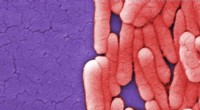
* Bacteria: Certain bacteria produce toxins that can damage DNA.
* Examples: HIV, HPV, Helicobacter pylori.
4. Other Environmental Factors:
* Oxidative stress: This occurs when the body is exposed to reactive oxygen species (ROS) which can damage DNA.
* Nutritional deficiencies: Lack of certain nutrients can affect DNA repair mechanisms.
* Temperature extremes: High temperatures can denature DNA, while low temperatures can slow down DNA repair processes.
* Examples: Air pollution, smoking, poor diet, extreme weather conditions.
It's important to note:
* Not all environmental exposures lead to mutations.
* The effect of environmental factors on mutations depends on factors like dose, duration of exposure, and individual susceptibility.
* Some mutations are beneficial, some are harmful, and others have no effect.
In conclusion, understanding the environmental factors that can increase mutation rates is crucial for preventing and managing their potential consequences on health and evolution.