Here's how it works:
* Protection from harmful substances: The immune system identifies and destroys pathogens (like bacteria, viruses, and fungi) that can cause disease. It does this through various mechanisms, including:
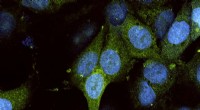
* White blood cells: These cells are the main players in the immune response. They recognize and attack foreign invaders.
* Antibodies: These proteins are produced by the immune system to bind to and neutralize pathogens.
* Inflammation: This is a localized response that brings immune cells to the site of infection.
* Removal of waste cells: The immune system also removes old, damaged, or infected cells from the body. This process is called apoptosis, or programmed cell death.
While the immune system is the primary system involved in protection and waste removal, other systems also play a role:
* Lymphatic system: This system helps to collect and filter lymph fluid, which carries immune cells and waste products throughout the body.
* Digestive system: This system helps to break down food and eliminate waste products.
* Skin: The skin acts as a barrier against pathogens and helps to remove waste through sweat.
* Kidneys: These organs filter waste products from the blood and produce urine.
So, while the immune system is the primary protector and waste remover, it works closely with other systems to keep our bodies healthy and functioning properly.