1. Diffusion:
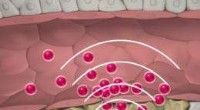
* Simple Diffusion: Many small invertebrates with thin body walls rely on simple diffusion for waste removal. Waste products like ammonia and carbon dioxide can pass directly from cells to the environment. This is efficient for small organisms with a high surface area to volume ratio.
* Facilitated Diffusion: Some invertebrates use specialized cells or structures to facilitate the movement of specific waste products across their membranes.
2. Specialized Organs:
* Nephridia: Found in worms and some other invertebrates, nephridia are tubular structures that filter waste products from the coelomic fluid. They resemble kidneys in function and often have cilia that help move fluids through the system.
* Malpighian Tubules: Insects and other arthropods have Malpighian tubules, which are long, thin tubes that extend from the gut. They collect waste products from the hemolymph and release them into the hindgut. The waste is then excreted along with feces.
* Green Glands: These glands are found in crustaceans and serve a similar function to nephridia. They filter waste from the hemolymph and expel it through a pore.
* Contractile Vacuoles: Protozoans and some sponges use contractile vacuoles to collect excess water and dissolved waste products. These vacuoles then contract, expelling the waste into the surrounding environment.
3. Excretory Systems:
* Excretory Pores: Some invertebrates, like flatworms, have excretory pores that directly open to the exterior of the body, allowing waste products to be released.
* Gill Chambers: In aquatic invertebrates, gills play a role in gas exchange and waste removal. Waste products can be diffused across the gill membranes into the surrounding water.
4. Other Mechanisms:
* Hemolymph: The hemolymph of some invertebrates, like insects, transports waste products to specialized organs for excretion.
* Cellular Degradation: Some invertebrates break down cellular waste products within their cells, reducing their toxicity.
Important Considerations:
* The specific mechanisms of waste removal vary widely across different invertebrate groups.
* The type of waste product and its toxicity influences the method of excretion.
* Environmental factors, such as water availability, can also impact the excretory process.
Overall, invertebrates have developed diverse and efficient mechanisms to remove cellular waste products, ensuring their survival and proper functioning.