Direct Signs:
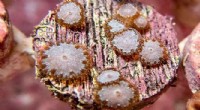
* Bubble production: The most obvious sign is the release of oxygen bubbles from the plant. This is a byproduct of photosynthesis.
* Color change: Some aquatic plants, like algae, may change color when photosynthesizing. For example, they might become greener or more vibrant.
Indirect Signs:
* Growth: Healthy growth in the plant is a strong indicator of photosynthesis occurring.
* Presence of chlorophyll: Chlorophyll, the pigment that absorbs light energy for photosynthesis, gives plants their green color. Look for green leaves or parts of the plant submerged in the water.
* Location: Photosynthesis generally requires sunlight. So, plants located in well-lit areas of the water are more likely to be photosynthesizing.
* Water quality: Photosynthesis consumes carbon dioxide and releases oxygen. If the water quality shows an increase in oxygen levels, it's likely that plants are photosynthesizing.
Important Notes:
* Light intensity: The rate of photosynthesis depends on the amount of light available. So, plants in deeper water or with low light conditions might photosynthesize at a slower rate.
* Temperature: The ideal temperature for photosynthesis varies depending on the plant species.
* Nutrient availability: Plants need other nutrients besides sunlight and water for photosynthesis, such as nitrates and phosphates.
To be absolutely sure:
You can use a specialized tool called a dissolved oxygen meter to measure the oxygen levels in the water. This will give you a more accurate indication of whether or not photosynthesis is occurring.
Remember: Observing these signs together can give you a good idea of whether a plant is photosynthesizing underwater, but it's not always foolproof.