Behavioral adaptations are changes in an animal's actions or habits that help them survive and thrive in their environment. Unlike physical adaptations (like camouflage or sharp claws), behavioral adaptations are learned or instinctive responses to challenges like finding food, avoiding predators, or raising young.
Here's a breakdown of some key types of behavioral adaptations:
1. Foraging and Food Acquisition:
* Hunting Strategies: Lions working in packs, spiders spinning webs, or birds using tools to extract insects from tree bark are all examples of specialized hunting techniques.
* Migration: Birds flying south for the winter, whales following food sources across oceans, and caribou migrating for better grazing are all examples of animals moving to areas with more food availability.
* Food Storage: Squirrels burying nuts for winter, bees collecting nectar and pollen, and ants gathering food are examples of animals storing food to survive during lean times.
2. Predator Avoidance:
* Camouflage: Animals blending into their surroundings to avoid detection, like chameleons changing color or zebras' stripes confusing predators.
* Defensive Behaviors: Animals using physical displays like hissing or puffing up, or running away or playing dead to avoid predators.
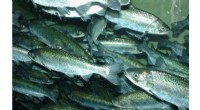
* Group Living: Animals like fish schooling or monkeys living in troops provide safety in numbers.
3. Reproduction and Raising Young:
* Mating Rituals: Elaborate dances, songs, or displays used to attract mates, ensuring successful breeding.
* Nesting Behaviors: Building nests or burrows for protection and raising young, like birds building nests or rabbits digging burrows.
* Parental Care: Animals nurturing and protecting their young, like birds feeding their chicks or bears teaching their cubs to hunt.
4. Communication and Social Behavior:
* Sound Signals: Animals using sounds like bird calls, whale songs, or primate vocalizations to communicate with each other.
* Visual Signals: Animals displaying body language, facial expressions, or colors to signal intentions.
* Chemical Signals: Animals using pheromones to mark territories, attract mates, or communicate danger.
Examples of Behavioral Adaptations in Action:
* Praying mantises: This insect cleverly mimics a flower to lure unsuspecting prey.
* Baboons: These primates have complex social structures with clear hierarchies and grooming behaviors that strengthen bonds and ensure survival.
* Monarch butterflies: These insects migrate thousands of miles each year, following a complex internal compass and relying on generations of accumulated knowledge.
Conclusion:
Behavioral adaptations are crucial for animals to survive and thrive in their environments. By understanding how animals adapt their behavior, we can better appreciate the complexity and diversity of life on Earth.