1. They are reduced or non-functional: Vestigial structures, like the appendix in humans or the pelvic bones in whales, are reduced in size and often have no obvious function in the current organism. This indicates that they were once larger and more functional in their ancestors.
2. They are homologous to functional structures in other species: Vestigial structures share a common anatomical structure with functional structures in related species. For example, the human appendix is homologous to the cecum of herbivores, which plays a crucial role in digesting plant matter. This homology suggests that both structures evolved from a common ancestor.
3. They represent evolutionary history: The presence of vestigial structures implies that they were once beneficial to the ancestor but lost their original function over time due to changes in the environment or lifestyle. The presence of these "leftover" structures provides evidence that organisms have changed significantly from their ancestors.
Examples:
* Human appendix: While it was once thought to be useless, research suggests it may have a role in immune function. However, its reduced size and lack of a significant digestive role indicate that it was more important in our ancestors.
* Whale pelvic bones: Whales are aquatic mammals that have lost their hind limbs. However, they retain vestigial pelvic bones, suggesting they evolved from terrestrial ancestors.
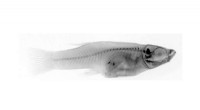
* Eyes in blind cave fish: Some cave fish have rudimentary eyes, but they are non-functional. This indicates that their ancestors had functional eyes, but these became useless in the dark cave environment.
Conclusion:
Vestigial structures are not just curiosities; they are powerful evidence for evolution. They demonstrate that current organisms have inherited characteristics from their past, and these structures have undergone changes over time, often becoming reduced or non-functional. This evidence supports the idea that life on Earth is connected through a shared evolutionary history.