1. Division of Labor: This is where individuals specialize in different tasks, contributing their unique skills to the overall success of the group. Examples include:
* Bees: Workers, drones, and the queen each have specialized roles in the hive.
* Ants: Different castes of ants (workers, soldiers, queens) have specific jobs.
* Humans: In societies, we have doctors, teachers, farmers, etc., each playing a role in maintaining the function of society.
2. Mutualism: This is a form of cooperation where two different species benefit from interacting with each other. Examples include:
* Clownfish and sea anemones: Clownfish live within the stinging tentacles of sea anemones, finding protection from predators. The clownfish, in turn, clean the anemone and bring it food.
* Oxpeckers and zebras/gazelles: Oxpeckers eat ticks and other parasites off of zebras and gazelles, providing a cleaning service. In return, they get a food source.
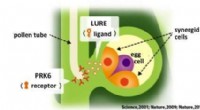
* Plants and pollinators: Plants offer nectar and pollen to pollinators like bees, butterflies, and birds, who in turn transfer pollen between flowers, enabling pollination.
3. Altruism: This is when individuals sacrifice their own well-being for the benefit of others in their group. Examples include:
* Wolves: Wolves will hunt together and share food with their pack members, even if they haven't personally contributed to the kill.
* Birds: Birds will raise alarm calls when predators are near, even though this puts them at increased risk.
* Humans: We often put the needs of our family, friends, and community before our own.
4. Social Learning and Communication: This is the ability to learn from others within a group and share information, leading to collective knowledge and problem-solving. Examples include:
* Chimpanzees: Chimpanzees learn to use tools and hunt by observing and imitating others in their troop.
* Dolphins: Dolphins teach their young how to find food, navigate, and communicate.
* Humans: We learn from teachers, mentors, and books, building on the accumulated knowledge of our ancestors and peers.
These are just a few examples, and the specific ways that species cooperate can vary greatly depending on the environment, social structure, and evolutionary history of the species.