Here's a breakdown:
1. Donor cell: A bacterial cell with a special DNA structure called an F-plasmid initiates conjugation. This plasmid contains genes for conjugation.
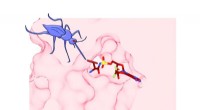
2. Pilus formation: The donor cell extends a thin, protein tube called a pilus towards a recipient cell.
3. Contact and DNA transfer: The pilus attaches to the recipient cell, forming a bridge between them. The F-plasmid is then replicated and transferred from the donor to the recipient cell through the pilus.
4. Integration and recombination: The transferred F-plasmid can either remain separate in the recipient cell or integrate into its chromosome. If it integrates, it can bring along some of the donor cell's genes, leading to genetic variation.
Key points:
* Conjugation is a form of horizontal gene transfer, meaning that genetic material is transferred between cells of the same generation.
* This process allows bacteria to share genetic information, including antibiotic resistance genes.
* Conjugation plays a significant role in bacterial evolution and adaptation.
Let me know if you'd like to know more about any aspect of bacterial conjugation!