For Plants:
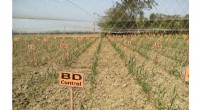
* Building Blocks for Growth: Nitrogen is a primary component of chlorophyll, the green pigment that captures sunlight for photosynthesis. Without sufficient nitrogen, plants will have stunted growth, pale leaves, and reduced overall vigor.
* Amino Acid Synthesis: Nitrogen is a building block for amino acids, which are the essential components of proteins. Proteins are crucial for plant growth, development, and vital functions like enzyme production, nutrient transport, and cell division.
* Nucleic Acid Formation: Nitrogen is also essential for the synthesis of nucleic acids like DNA and RNA. These molecules carry genetic information and are vital for cell growth and reproduction.
For Animals:
* Protein Synthesis: Animals, like plants, also rely on nitrogen to create proteins. These proteins are essential for muscle building, tissue repair, enzyme production, hormone production, and immune system function.
* DNA and RNA Formation: Just like plants, animals need nitrogen for the synthesis of DNA and RNA, crucial for genetic inheritance and cellular processes.
* Other Vital Functions: Nitrogen is also involved in the production of certain vitamins and the formation of red blood cells, which carry oxygen throughout the body.
Nitrogen Deficiency:
Both plants and animals can suffer from nitrogen deficiency, leading to various problems:
* Plants: Stunted growth, pale yellow leaves, reduced yield, increased susceptibility to disease.
* Animals: Reduced growth rate, weakness, infertility, poor immune function, and even death in severe cases.
The Nitrogen Cycle:
The nitrogen cycle is a complex process that involves converting nitrogen gas from the atmosphere into forms usable by plants and animals. This process is carried out by nitrogen-fixing bacteria and other microorganisms.
In summary, nitrogen is a vital nutrient that plays a critical role in the growth, development, and health of both plants and animals. Without sufficient nitrogen, life as we know it would not be possible.