Communication:
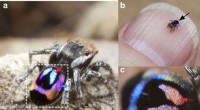
* Attracting mates: Many animals use elaborate displays, such as colorful plumage, intricate dances, or vocalizations, to attract potential mates. This helps them find partners with desirable traits and increases their chances of successful reproduction.
* Establishing dominance: Displays can be used to establish dominance hierarchies within social groups. This can involve aggressive behaviors, such as threats or physical confrontations, but also more subtle displays like postures or vocalizations. Dominance hierarchies can help minimize conflict and ensure access to resources.
* Warning rivals: Displays can also serve as a warning signal to rivals, letting them know the animal is capable of defending its territory or resources. This can help to avoid unnecessary conflict and conserve energy.
* Signaling species identity: Some displays help animals recognize members of their own species, especially important for species with limited visual range or complex social interactions.
Coordination:
* Social cohesion: Rituals can help to maintain social cohesion within groups, strengthening bonds and promoting cooperation. Examples include communal nest building or synchronized movements.
* Synchronization of behaviors: Some rituals help to synchronize the behaviors of group members, such as mating or foraging. This can increase efficiency and reduce competition.
Other functions:
* Stress reduction: Ritualized behaviors, like grooming or preening, can help animals reduce stress and maintain social bonds.
* Territory defense: Rituals can also be used to defend territories, such as birds singing to mark their boundaries.
* Offspring care: Some animals use displays to communicate with their offspring, teaching them important skills or guiding them to resources.
Examples:
* Peacock's display: The peacock's elaborate tail feathers are a classic example of a display used to attract mates.
* Chimpanzee's grooming: Chimpanzees groom each other as a way to strengthen social bonds and reduce stress.
* Bird songs: Birds use songs to attract mates, defend territories, and communicate with each other.
* Ants' trails: Ants use pheromone trails to communicate and coordinate their movements, allowing them to efficiently find food and navigate their environment.
Overall, displays and rituals are essential tools for animals, allowing them to communicate, coordinate, and navigate complex social interactions, ultimately contributing to their survival and reproductive success.