1. Cells:
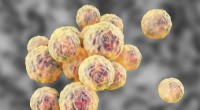
* Basic Unit: The fundamental building blocks of all living things, cells are the smallest unit capable of carrying out life processes.
* Specialization: Different types of cells develop specialized structures and functions, such as muscle cells for movement, nerve cells for communication, and epithelial cells for protection.
* Division of Labor: By specializing, cells can focus on specific tasks, increasing efficiency and allowing for complex processes.
2. Tissues:
* Groups of Similar Cells: Tissues are formed when groups of similar cells work together to perform a specific function.
* Examples: Muscle tissue for contraction, nervous tissue for communication, and epithelial tissue for covering and lining.
* Synergy: By working together, cells in a tissue can perform tasks beyond the capability of individual cells.
3. Organs:
* Multiple Tissues Working Together: Organs are composed of different tissues that work together to perform a specific function.
* Examples: The heart, composed of muscle, nervous, and connective tissue, pumps blood; the stomach, composed of muscle, epithelial, and connective tissue, breaks down food.
* Increased Complexity: The combined efforts of different tissues allow organs to perform more complex and specialized functions.
4. Organ Systems:
* Interconnected Organs: Organ systems consist of multiple organs working together to carry out major life processes.
* Examples: The circulatory system (heart, blood vessels), the digestive system (mouth, stomach, intestines), the nervous system (brain, spinal cord, nerves).
* Coordination and Efficiency: Organ systems allow for coordinated and efficient execution of complex tasks, like digestion, respiration, and reproduction.
Overall, the four levels of organization in multicellular organisms allow for a hierarchical distribution of work and specialization of function. This complexity allows for efficient energy utilization, effective response to environmental changes, and ultimately, the successful survival of multicellular organisms.
For example, consider the process of digestion:
* Cells: Specialized cells in the stomach produce digestive enzymes.
* Tissues: Muscle tissue contracts to churn food, epithelial tissue lines the stomach and secretes mucus.
* Organs: The stomach receives food from the esophagus, mixes it with enzymes, and passes it to the small intestine.
* Organ System: The digestive system works with the circulatory system to transport nutrients to the body's cells.
This breakdown demonstrates how different levels of organization collaborate to perform a complex process like digestion, highlighting the importance of this hierarchical structure in multicellular life.