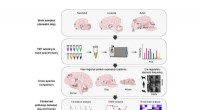
1. Forebrain (Prosencephalon): This is the largest and most complex part of the brain. It includes:
* Cerebrum: Responsible for higher-level functions like thinking, learning, memory, language, and voluntary movement.
* Thalamus: Acts as a relay center for sensory information to the cerebrum.
* Hypothalamus: Controls essential functions like body temperature, hunger, thirst, and sleep-wake cycles.
* Limbic system: Involved in emotions, motivation, and memory.
2. Midbrain (Mesencephalon): This section is located between the forebrain and hindbrain. It plays a crucial role in:
* Movement and coordination: Processes sensory information and helps with motor control.
* Auditory and visual processing: Relays signals related to hearing and sight.
* Reward and motivation: Important for motivation and the experience of pleasure.
3. Hindbrain (Rhombencephalon): This section connects the brain to the spinal cord and is responsible for:
* Basic life functions: Controls breathing, heart rate, and blood pressure.
* Balance and coordination: Helps maintain balance and coordinate movement.
* Sleep and arousal: Plays a role in regulating sleep cycles and alertness.
* Reflexes: Processes and controls reflexes.
It's important to note that these three sections are interconnected and work together to regulate the body's functions and allow us to interact with the world.