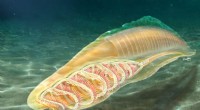
* Powerful swimming: Myomeres contract in a wave-like pattern, starting from the head and moving towards the tail. This creates a powerful force that propels the fish through the water.
* Efficient movement: The segmented structure of myomeres allows for precise control of movement. Each segment can contract independently, allowing for both fast bursts of speed and more controlled, slow swimming.
* Flexibility and agility: The arrangement of myomeres allows for flexibility and agility. Fish can easily change direction and maneuver through tight spaces.
* Energy conservation: The arrangement and contraction of myomeres are optimized for efficient energy use, allowing fish to swim long distances with minimal effort.
In short, myomeres are the key to a fish's ability to move through water effectively and efficiently. They are a fascinating example of how form and function are intimately linked in nature.