Here's why it's so important:
1. Preventing Contamination:
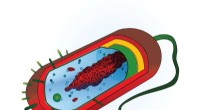
* Microorganisms: Tissues are susceptible to infection by bacteria, fungi, viruses, and other microorganisms. Surface sterilization eliminates these contaminants from the plant material's exterior, preventing their entry into the culture environment.
* Other contaminants: Dust, pollen, and other debris can also compromise culture success. Sterilization removes these physical contaminants, ensuring a clean and controlled environment for the tissues.
2. Maintaining Sterility:
* Culture medium: The sterile growth medium used in tissue culture is highly susceptible to contamination. Surface sterilization prevents the introduction of contaminants into the medium, ensuring its integrity and supporting the healthy growth of the tissues.
* Laboratory environment: Sterilization contributes to maintaining a sterile laboratory environment, minimizing the risk of contamination for all cultures.
3. Ensuring Healthy Growth:
* Competition for resources: Contamination can lead to competition for nutrients and space, hindering the growth of the desired tissues.
* Disease and death: Microorganisms can cause diseases in cultured tissues, ultimately leading to their death and failure of the culture.
4. Reproducibility and Consistency:
* Reliable results: Sterilization ensures consistent and reproducible results in tissue culture, allowing for reliable research and propagation.
Common Sterilization Techniques:
* Bleach: Effective against many microorganisms, but can damage some tissues.
* Ethanol: A quick and effective disinfectant.
* Sodium hypochlorite: Another widely used disinfectant.
* Hydrogen peroxide: A strong oxidizing agent that eliminates many microorganisms.
* Autoclaving: A high-pressure steam sterilization method used for sterilizing equipment and media.
In summary: Surface sterilization in tissue culture is essential for:
* Preventing contamination
* Maintaining sterility
* Ensuring healthy growth
* Achieving reproducible results
By implementing proper sterilization techniques, tissue culture practitioners can ensure the success of their experiments and the propagation of healthy and disease-free plants.