Amoebas:
* Asexual reproduction: Amoebas reproduce primarily through binary fission. In this process, a single amoeba replicates its genetic material and divides into two identical daughter cells.
* No sexual reproduction: Amoebas do not engage in sexual reproduction.
Sporozoans:
* Complex life cycles: Sporozoans often have complex life cycles that involve multiple stages and hosts. They reproduce through a combination of both asexual and sexual reproduction.
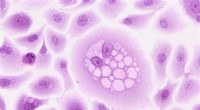
* Asexual reproduction: Asexual reproduction in sporozoans usually involves multiple fission (also known as schizogony), where a single cell divides into numerous daughter cells. This can occur in both the intermediate host and the definitive host.
* Sexual reproduction: Sexual reproduction in sporozoans involves the fusion of gametes (male and female sex cells) to form a zygote. This typically occurs in the definitive host. The zygote then develops into a spore, which is a resistant stage that can survive outside the host.
* Sporulation: A key feature of sporozoan reproduction is sporulation, where the zygote divides repeatedly to form multiple spores. These spores can then be transmitted to a new host, restarting the life cycle.
In summary:
| Feature | Amoeba | Sporozoan |
|---|---|---|
| Primary mode of reproduction | Asexual (binary fission) | Asexual (multiple fission) and sexual |
| Life cycles | Simple, single-celled | Complex, often involving multiple hosts and stages |
| Sexual reproduction | Absent | Present |
| Spore formation | Absent | Present (following sexual reproduction) |
Examples of sporozoans include Plasmodium (malaria parasite), Toxoplasma gondii (toxoplasmosis), and Cryptosporidium (cryptosporidiosis).