* Reproductive System: This system allows humans to procreate and pass on their genes, ensuring the continuation of the species.
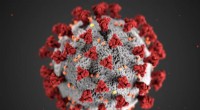
* Immune System: This system protects humans from disease and infection, helping them survive long enough to reproduce.
* Nervous System: This system allows humans to process information, learn, and adapt to their environment, increasing their chances of survival.
* Digestive System: This system provides the body with the nutrients it needs to grow, develop, and function.
* Respiratory System: This system provides the body with oxygen and removes carbon dioxide, vital for cellular processes.
* Circulatory System: This system transports oxygen, nutrients, and waste products throughout the body.
Ultimately, it's the combination of all these systems working together that allows humans to survive and thrive on this planet.
However, the question also hints at a broader concept. Human survival also depends on:
* Social Systems: Cooperation, communication, and community are vital for human success.
* Technological Advancements: Tools, medicine, and infrastructure play a role in adapting to and changing the environment.
* Environmental Factors: A suitable climate, food sources, and natural resources are necessary for human life.
So, while the body systems are essential for individual survival, it's the broader context of these factors that truly ensures the continuation of the human species on Earth.