1. Genetic Variation:
* Mutations: Changes in DNA sequence happen randomly and can introduce new traits. These mutations are passed on to offspring and contribute to variation within a species.
* Recombination: During sexual reproduction, chromosomes from both parents mix and match, leading to unique combinations of genes in offspring.
* Gene Flow: Individuals from different populations can interbreed, introducing new genetic material and increasing variation.
2. Environmental Influences:
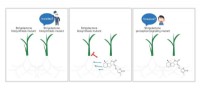
* Phenotypic Plasticity: The environment can influence how genes are expressed. For example, a plant may grow taller in a sunny location than in a shady one, even though they have the same genes.
* Epigenetics: Environmental factors can trigger chemical changes in DNA that affect gene expression without altering the DNA sequence itself. These changes can be inherited across generations.
3. Random Chance:
* Genetic Drift: In small populations, the random loss or fixation of certain genes can lead to significant changes in allele frequencies, even without natural selection.
* Founder Effect: When a small group of individuals colonizes a new area, the gene pool of the new population might be different from the original one, leading to unique traits.
Example: Consider two identical twins. While they share the same DNA, differences in their environment, experiences, and even random chance can lead to subtle variations in their appearance, health, and personality.
Why is this important?
Genetic diversity is crucial for the survival of a species. It allows populations to adapt to changing environments and resist diseases. When individuals within a species vary, some will be better suited to survive and reproduce in certain conditions, leading to the evolution of the species over time.