Here's a breakdown of why each domain is essential:
* Bacteria: These single-celled organisms are incredibly diverse and play vital roles in:
* Nutrient cycling: Decomposing organic matter and releasing nutrients back into the ecosystem.
* Symbiosis: Forming beneficial relationships with other organisms, like those in our gut.
* Bioremediation: Breaking down pollutants and toxins.
* Food production: Used in fermentation processes for making cheese, yogurt, etc.
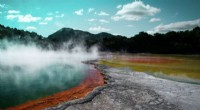
* Archaea: These single-celled organisms are often found in extreme environments like hot springs or highly saline lakes. They are important for:
* Biogeochemical cycles: Contributing to processes like methane production.
* Extremophile research: Helping us understand the limits of life and potential life on other planets.
* Understanding the origins of life: They share an ancestor with eukaryotes and provide insights into the early evolution of life.
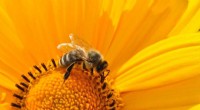
* Eukarya: This domain includes all multicellular organisms, including plants, animals, fungi, and protists. They are essential for:
* Photosynthesis: Plants produce oxygen and food for other organisms.
* Ecosystem structure: Animals and fungi contribute to complex ecological networks.
* Human life: We rely on plants and animals for food, resources, and medicine.
Ultimately, life on Earth is a complex web of interactions between all three domains. They are all equally important, and their interconnectedness makes life possible.
![Dog Breed & Behavior: Separating Fact from Fiction | [Your Brand Name]](https://www.scienceaq.com/article/uploadfiles/202210/2022102023561850_S.jpg)