Meiosis and Egg Formation
* Meiosis: This is a type of cell division that reduces the number of chromosomes in a cell by half. In humans, a regular cell has 46 chromosomes (23 pairs). Meiosis produces cells with 23 chromosomes each, ready for sexual reproduction.
* Egg Formation (Oogenesis): This is the process by which female reproductive cells (eggs) develop.
The Journey of an Egg Cell
1. Oogonium: This is the starting cell in oogenesis. It has 46 chromosomes.
2. Meiosis I: The oogonium undergoes the first stage of meiosis, resulting in two cells:
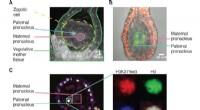
* Secondary Oocyte: This is the larger cell and receives most of the cytoplasm. It has 23 chromosomes.
* First Polar Body: This is a smaller cell with 23 chromosomes. It usually degenerates.
3. Meiosis II: The secondary oocyte divides again, resulting in two more cells:
* Ovum (Egg Cell): This is the mature egg cell with 23 chromosomes. It receives most of the cytoplasm from the secondary oocyte.
* Second Polar Body: This is another small cell with 23 chromosomes that typically degenerates.
Summary:
* One cell becomes the ovum (egg cell). This is the cell that is capable of being fertilized.
* The other cells become polar bodies. These are smaller cells that are not capable of being fertilized and usually degenerate.
Why Polar Bodies?
Polar bodies are essentially "leftovers" from the process of meiosis. They are a way to ensure that the egg cell (ovum) gets the most cytoplasm and nutrients. Cytoplasm is essential for the developing embryo, and a single, large egg cell is more advantageous for successful fertilization.
Let me know if you have any more questions!