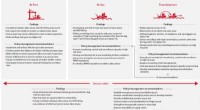
Haloduric Organisms
* Definition: These organisms can tolerate high salt concentrations (salinity) but do not require them for growth.
* Salt Requirement: They thrive in environments with low to moderate salt levels, but can survive and even grow in environments with significantly higher salt content.
* Example: Many bacteria found in soil, some fungi, and certain types of algae.
* Mechanism: They possess mechanisms to protect themselves from the damaging effects of high salt, like producing compatible solutes (molecules that counter the osmotic pressure of salt).
Halophilic Organisms
* Definition: These organisms require high salt concentrations (salinity) to survive and grow.
* Salt Requirement: They cannot thrive in low-salt environments and need high salt levels for optimal growth.
* Example: Many archaeans found in salt lakes, salt marshes, and hypersaline environments.
* Mechanism: They have evolved unique adaptations to function in high salt concentrations, including:
* High Salt Concentration in Their Cells: They maintain high internal salt levels, similar to their surroundings.
* Specific Proteins: Their enzymes and proteins are adapted to function at high salt concentrations.
* Special Membranes: Their cell membranes are specially designed to withstand the osmotic stress of high salt.
Key Differences:
* Salt Requirement: Haloduric organisms can tolerate high salt but don't need it, while halophilic organisms require high salt for growth.
* Growth Conditions: Haloduric organisms grow well in low to moderate salt, while halophilic organisms only grow optimally in high salt.
In Summary:
Think of it this way:
* Haloduric: "Salt-tolerant" - They can handle high salt levels but don't need them.
* Halophilic: "Salt-loving" - They need high salt levels to survive and thrive.