1. Innate Immune System:
* Pattern Recognition Receptors (PRRs): These receptors are present on various immune cells and are responsible for recognizing pathogen-associated molecular patterns (PAMPs). PAMPs are molecules unique to pathogens, like bacterial lipopolysaccharide (LPS), viral double-stranded RNA, or fungal cell wall components.
* Examples of PRRs: Toll-like receptors (TLRs), NOD-like receptors (NLRs), RIG-I-like receptors (RLRs), and C-type lectin receptors (CLRs).
* Activation: When PRRs bind to PAMPs, they trigger a cascade of intracellular signaling events that activate immune cells and initiate an inflammatory response.
2. Adaptive Immune System:
* Antigen Presentation: Once the innate immune system recognizes the pathogen, antigen-presenting cells (APCs) like macrophages and dendritic cells engulf and process the pathogen. They then display fragments of the pathogen's proteins (antigens) on their surface using MHC molecules.
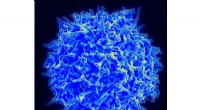
* T Cell Recognition: T cells, a type of white blood cell, have receptors that can recognize specific antigens presented by APCs.
* Helper T cells (Th cells): Recognize antigens and release cytokines that activate other immune cells.
* Cytotoxic T cells (Tc cells): Directly kill infected cells.
* B Cell Activation: Helper T cells can also activate B cells, another type of white blood cell. B cells produce antibodies, which are proteins that bind to specific antigens and neutralize pathogens.
Here's a simplified timeline:
1. Pathogen enters the body: It encounters PRRs on immune cells.
2. PRR activation: Triggers the release of inflammatory mediators and signals to other immune cells.
3. Phagocytosis: Immune cells engulf and destroy pathogens.
4. Antigen presentation: APCs display pathogen antigens to T cells.
5. T cell activation: Th cells activate B cells and Tc cells.
6. Antibody production: B cells produce antibodies to neutralize pathogens.
7. Tc cell activity: Tc cells kill infected cells.
In summary, the human body recognizes pathogens through a combination of innate and adaptive immune responses. The innate system acts as the first line of defense, rapidly recognizing and responding to general threats. The adaptive immune system provides a more specific and long-lasting response, targeting and eliminating specific pathogens.