Mushrooms:
* Appearance: Characterized by their macroscopic fruiting bodies, which we typically recognize as mushrooms. These bodies can be various shapes, sizes, and colors.
* Growth: Grow in soil, wood, or other organic matter. They often have a distinct cap and stalk structure.
* Role: Decomposers, breaking down organic matter. Some are edible, while others are poisonous.
Molds:
* Appearance: Grow as a fuzzy, filamentous network called hyphae. They can be various colors, like green, black, or white.
* Growth: Thrive in moist, warm environments, often found on food, surfaces, and decaying materials.
* Role: Decomposers, but also cause food spoilage and allergies. Some molds produce beneficial compounds like penicillin.
Yeasts:
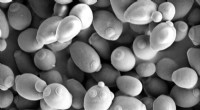
* Appearance: Single-celled organisms, microscopic in size. They are often oval or round in shape.
* Growth: Found in moist, sugary environments like fruits, soil, and the human body. They reproduce through budding.
* Role: Used in fermentation processes for bread, beer, and wine. Some can cause infections, but others are beneficial for digestion.
Here's a table summarizing the key differences:
| Feature | Mushrooms | Molds | Yeasts |
|---|---|---|---|
| Appearance | Macroscopic fruiting bodies | Fuzzy, filamentous network (hyphae) | Single-celled organisms |
| Growth | Soil, wood, organic matter | Moist, warm environments | Moist, sugary environments |
| Role | Decomposers, food source | Decomposers, food spoilage | Fermentation, digestion |
In short, mushrooms are the large, visible fruiting bodies of fungi, molds are the fuzzy networks of hyphae, and yeasts are single-celled organisms. While they all share the fundamental characteristics of being fungi, they have diverse appearances, habitats, and functions.