Climate Change:
* Rising temperatures: Increased heat can disrupt ecosystems, alter species distributions, and lead to mass extinctions.
* Extreme weather events: Droughts, floods, and wildfires can damage habitats and reduce biodiversity.
* Ocean acidification: As the ocean absorbs more carbon dioxide, it becomes more acidic, harming marine life and disrupting the food chain.
* Sea level rise: Coastal habitats are threatened by rising sea levels, displacing species and impacting human populations.
Habitat Loss and Degradation:
* Deforestation: Clearing forests for agriculture, urbanization, and other human activities leads to habitat loss and fragmentation, endangering many species.
* Pollution: Air, water, and soil pollution can contaminate ecosystems, harming wildlife and reducing biodiversity.
* Invasive species: Introduction of non-native species can disrupt ecosystems, outcompete native species, and cause significant ecological damage.
Overexploitation of Resources:
* Overfishing: Unsustainable fishing practices deplete fish stocks, impacting marine ecosystems and livelihoods.
* Overhunting and poaching: Illegal hunting and poaching drive some species towards extinction.
* Resource extraction: Mining, logging, and other extractive industries can damage habitats and release pollutants into the environment.
Emerging Diseases:
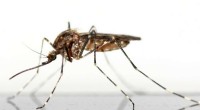
* Disease outbreaks: Climate change and habitat loss can increase the risk of emerging infectious diseases, which can have significant impacts on human and animal health.
* Antibiotic resistance: The overuse and misuse of antibiotics are leading to the development of antibiotic-resistant bacteria, posing a serious threat to human health.
Human Population Growth and Consumption:
* Population growth: Increasing human population puts a strain on natural resources and increases demand for food, water, and energy.
* Consumption patterns: High levels of consumption contribute to resource depletion, pollution, and climate change.
Conservation Efforts:
* Biodiversity loss: Biologists are concerned about the ongoing loss of biodiversity, as it undermines ecosystem services and the stability of the planet.
* Conservation strategies: Biologists are working to develop and implement effective conservation strategies to protect endangered species and preserve biodiversity.
* Sustainable practices: Promoting sustainable practices in agriculture, forestry, and other industries can help minimize the impact of human activities on the environment.
Biologists are working to understand the complex interactions between these global changes and their impacts on the natural world. Through research, education, and advocacy, they aim to promote sustainable practices and mitigate the negative consequences of these changes for the future of life on Earth.