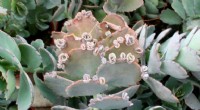
* Plants: This is the most well-known group. Their cell walls are primarily composed of cellulose, a complex carbohydrate that provides structural support, helps maintain cell shape, and protects the cell.
* Fungi: Fungal cell walls are made of chitin, another complex carbohydrate that is also found in the exoskeletons of insects. This material gives fungi their rigidity and allows them to absorb nutrients from their environment.
* Algae: The cell walls of algae can vary depending on the specific species. Some algae have cell walls made of cellulose, similar to plants, while others have walls composed of other carbohydrates, like xylan, or even silica (glass-like material) like diatoms.
* Protists: Some protists, such as the Euglena, have a cell wall made of cellulose. However, many other protists lack a cell wall altogether.
Important Note: While bacteria are prokaryotic, they also have cell walls, but they are typically composed of peptidoglycan, a different type of molecule.