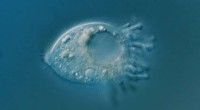
Cell Membrane (Plasma Membrane):
* Selective Permeability: The cell membrane is a semi-permeable barrier that regulates the movement of substances into and out of the cell. This selective permeability is crucial for maintaining the cell's internal environment, which is different from the external environment. It allows essential nutrients to enter and waste products to exit.
* Communication: The membrane contains receptors that bind to signaling molecules, allowing the cell to communicate with its environment and other cells. This is essential for cell growth, development, and responses to stimuli.
* Structural Support: The membrane provides some structural support, helping maintain the cell's shape and integrity.
Cell Wall (Plants, Bacteria, Fungi):
* Structural Support: The cell wall provides rigid support to the cell, giving it a definite shape and protecting it from bursting due to osmotic pressure. This is particularly important for plants, which rely on turgor pressure to maintain their upright form.
* Protection: The cell wall acts as a physical barrier against external threats such as pathogens and physical damage.
* Filtering: The cell wall can regulate the passage of some larger molecules, providing an additional layer of protection and control.
In summary:
* The cell membrane is a fluid and flexible structure that regulates transport and communication.
* The cell wall is a rigid structure that provides structural support and protection.
Together, these structures:
* Create a barrier that protects the cell from its surroundings.
* Control the movement of substances into and out of the cell.
* Provide structural support and shape.
* Allow for communication with the environment.
Without the cell membrane and wall, cells would not be able to function properly or even survive.