Biotic Factors: The Living Components
Biotic factors are all the living organisms within an ecosystem. They include:
* Plants: Provide food, shelter, and oxygen.
* Animals: Act as prey, predators, competitors, or symbionts.
* Microorganisms: Decomposers, pathogens, and beneficial bacteria.
How Biotic Factors Shape an Organism's Life
* Food Sources: The availability and type of food determine an organism's survival. A predator's success depends on prey availability, while herbivores rely on specific plant types.
* Competition: Organisms compete for resources like food, water, space, mates, and sunlight. This competition shapes population sizes and can lead to adaptations.
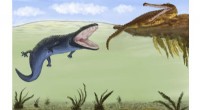
* Predation: The presence of predators influences prey behavior (hiding, camouflage, speed). This can affect population dynamics and lead to co-evolution.
* Parasitism: Parasites benefit from the host, often harming it. This can impact the host's health and survival.
* Mutualism: Two species benefit from each other. For example, bees pollinate flowers, receiving nectar in return.
* Commensalism: One species benefits, and the other is neither harmed nor helped. For instance, barnacles living on whales.
* Disease: Infectious diseases spread through populations and can significantly impact survival rates.
* Reproduction: The presence or absence of mates and the availability of suitable nesting sites influence reproductive success.
Examples
* A deer population: Its size is influenced by the availability of food (plants) and the presence of predators (wolves, bears).
* A tree: Competition with other trees for sunlight, water, and nutrients determines its growth and health.
* A bird: Its ability to find nesting materials (biotic: twigs, leaves) and avoid parasites (biotic: mites) impacts its success.
Key Points
* Biotic interactions are complex and constantly changing.
* They drive natural selection and the evolution of species.
* Understanding biotic factors is crucial for studying ecosystems and conservation efforts.
Let me know if you have any other questions or would like more specific examples!