Here's why reproductive isolation is so important:
* It prevents gene flow: Reproductive isolation stops genes from being exchanged between different populations of a species.
* It leads to genetic divergence: Without gene flow, populations can evolve independently, accumulating different genetic changes over time. These changes can be influenced by natural selection, genetic drift, and other evolutionary forces.
* It can create new species: When enough genetic differences accumulate between isolated populations, they may become so distinct that they can no longer interbreed. At this point, they are considered separate species.
Types of Reproductive Isolation:
There are many different mechanisms that can lead to reproductive isolation. Here are a few examples:
* Prezygotic Barriers: These barriers prevent mating or fertilization from occurring in the first place.
* Habitat isolation: Species live in different habitats and rarely encounter each other.
* Temporal isolation: Species breed at different times of the year or day.
* Behavioral isolation: Species have different courtship rituals or mating signals.
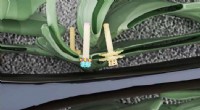
* Mechanical isolation: Species have incompatible reproductive structures.
* Gametic isolation: Species have incompatible sperm and egg cells.
* Postzygotic Barriers: These barriers occur after fertilization and prevent the hybrid offspring from surviving or reproducing.
* Reduced hybrid viability: Hybrid offspring are unable to develop or survive.
* Reduced hybrid fertility: Hybrid offspring are fertile, but their offspring are infertile.
* Hybrid breakdown: First-generation hybrids are fertile, but subsequent generations lose fertility.
Key Point: Reproductive isolation is a critical process that drives evolution and biodiversity. It is the engine that allows for the formation of new species and the incredible diversity of life on Earth.