* Read genetic instructions: Ribosomes read the genetic code carried by messenger RNA (mRNA). This code tells the ribosome the sequence of amino acids needed to build a specific protein.
* Assemble amino acids: Ribosomes collect and link together individual amino acids in the order specified by the mRNA.
* Create proteins: The chain of amino acids assembled by the ribosome folds into a complex three-dimensional structure, forming a functional protein.
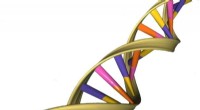
In simpler terms, ribosomes take instructions from the cell's DNA and use them to build proteins. These proteins are essential for everything from repairing tissues and fighting infections to carrying oxygen in the blood and digesting food.
Here are some key points about ribosomes:
* Found in all living cells: Both prokaryotic (bacteria) and eukaryotic (plant and animal) cells have ribosomes.
* Small but powerful: Ribosomes are very tiny but incredibly important.
* Work in teams: Multiple ribosomes can read the same mRNA strand at the same time, allowing for efficient protein production.
Think of ribosomes as the construction workers of the cell, building the proteins needed for all cellular processes.